 By Kairo Aahron
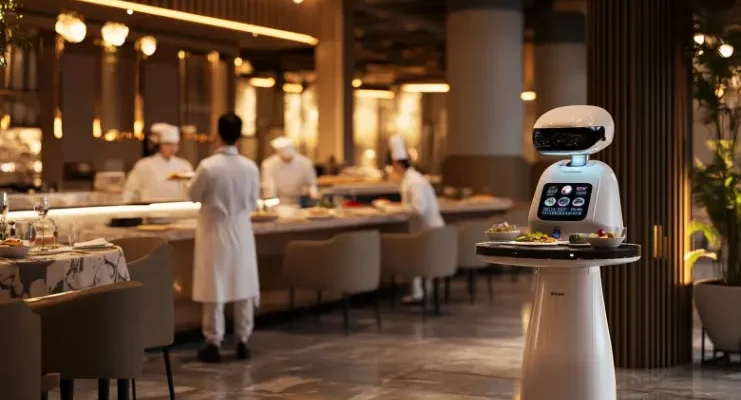
Technology has transformed the restaurant industry in ways that were difficult to imagine just a few decades ago. From digital ordering systems to smart kitchen equipment and data driven inventory management, restaurants now rely on technology to improve efficiency, enhance customer experience, and remain competitive in a fast changing market. Modern restaurants are no longer defined only by food quality and service. They are increasingly shaped by how effectively they integrate digital tools into daily operations.
Understanding the impact of technology on modern restaurants helps explain how dining experiences continue to evolve and how restaurant businesses adapt to changing customer expectations.
Digital Ordering Systems Improving Service Speed
Digital ordering systems have changed how customers interact with restaurant menus. Many restaurants now offer touchscreen ordering, QR code menus, and mobile ordering options that reduce wait times and improve accuracy.
Benefits of digital ordering systems include:
- Faster order placement
- Reduced communication errors
- Easier menu updates
- Improved customer convenience
- Better order tracking for staff
These systems help restaurants manage high customer volumes more efficiently.
Online Reservations Enhancing Customer Convenience
Reservation technology allows customers to plan visits without uncertainty. Digital reservation platforms streamline table management and reduce waiting time during busy hours.
Advantages of reservation systems include:
- Real time table availability tracking
- Reduced crowd congestion
- Improved customer satisfaction
- Better planning for restaurant staff
- Organized seating arrangements
Reservation tools help restaurants operate more smoothly during peak periods.
Kitchen Display Systems Supporting Workflow Efficiency
Kitchen display systems replace traditional paper tickets with digital screens that show incoming orders clearly. These systems improve communication between front of house and kitchen staff.
Key benefits include:
- Faster order processing
- Improved accuracy
- Reduced paper usage
- Better coordination between kitchen stations
- Real time order updates
Digital displays contribute to smoother kitchen operations.
Mobile Payment Systems Simplifying Transactions
Mobile payment solutions have made restaurant transactions faster and more secure. Customers now expect multiple payment options including contactless methods.
Common payment technologies include:
- Contactless card payments
- Mobile wallet payments
- QR code based payments
- Digital receipts
Flexible payment systems improve customer satisfaction and reduce checkout delays.
Data Analytics Supporting Business Decisions
Restaurants increasingly rely on data analytics to understand customer preferences and improve operations. Sales tracking tools provide insights that help managers make informed decisions.
Data analytics supports:
- Identifying popular menu items
- Monitoring peak service hours
- Managing inventory efficiently
- Forecasting customer demand
- Reducing food waste
These insights help restaurants improve profitability and planning accuracy.
Smart Kitchen Equipment Increasing Productivity
Modern kitchen equipment now includes programmable ovens, automated temperature monitoring systems, and smart refrigeration units that improve consistency and safety.
Examples of smart equipment include:
- Digital temperature controlled ovens
- Automated cooking timers
- Smart refrigerators with monitoring alerts
- Energy efficient cooking appliances
Smart kitchens reduce manual errors and support consistent food quality.
Online Food Delivery Expanding Restaurant Reach
Food delivery platforms have transformed restaurant business models by extending services beyond physical dining spaces. Restaurants can now serve customers across wider geographic areas.
Delivery platforms support:
- Increased sales opportunities
- Access to new customers
- Flexible service hours
- Better brand visibility
Online delivery has become a major revenue channel for many restaurants.
Social Media Influencing Restaurant Marketing Strategies
Social media platforms allow restaurants to promote menus, share updates, and engage directly with customers. Visual storytelling plays an important role in attracting attention.
Social media advantages include:
- Real time customer engagement
- Promotion of new menu items
- Sharing customer experiences
- Building brand identity
- Increasing online visibility
Restaurants use digital platforms to strengthen customer relationships.
Inventory Management Systems Reducing Waste
Technology based inventory tracking improves ingredient control and reduces unnecessary purchasing.
Inventory systems help restaurants:
- Monitor stock levels accurately
- Prevent ingredient shortages
- Track expiration dates
- Reduce food waste
- Improve supplier coordination
Efficient inventory systems support cost control.
Customer Feedback Platforms Improving Service Quality
Digital feedback platforms allow customers to share experiences instantly. Restaurants can respond quickly and improve service quality based on real time insights.
Feedback systems support:
- Identifying service strengths
- Addressing customer concerns quickly
- Improving menu quality
- Enhancing staff training
Customer insights help restaurants adapt continuously.
Contactless Dining Supporting Safety Expectations
Contactless technology has become an important part of modern restaurant operations. Many customers now prefer minimal physical interaction during service.
Contactless solutions include:
- Digital menus
- Contactless payments
- Online reservations
- Self ordering kiosks
These systems improve hygiene and convenience simultaneously.
Employee Scheduling Software Improving Workforce Management
Staff scheduling technology helps restaurant managers organize shifts efficiently and maintain balanced workloads.
Scheduling systems assist with:
- Managing shift rotations
- Tracking attendance
- Reducing scheduling conflicts
- Monitoring labor costs
- Supporting communication between team members
Efficient scheduling improves productivity across departments.
Artificial Intelligence Supporting Menu Optimization
Artificial intelligence tools analyze customer ordering patterns and suggest menu improvements based on real data.
AI driven insights help restaurants:
- Identify high performing dishes
- Adjust menu pricing strategies
- Predict seasonal demand changes
- Improve ingredient planning
AI technology supports smarter decision making.
Loyalty Programs Enhancing Customer Retention
Digital loyalty programs encourage repeat visits and strengthen long term relationships with customers.
Benefits of loyalty systems include:
- Rewarding regular customers
- Increasing return visits
- Encouraging app engagement
- Promoting special offers
Loyalty technology supports customer satisfaction and retention.
Energy Efficient Technology Supporting Sustainable Operations
Modern restaurants increasingly adopt energy efficient equipment to reduce environmental impact and operating costs.
Examples include:
- Smart lighting systems
- Energy efficient refrigeration
- Water saving dishwashers
- Automated temperature controls
Sustainability technology supports responsible business practices.
Frequently Asked Questions
How does technology improve communication between restaurant staff
Digital systems such as kitchen display screens and scheduling software allow teams to coordinate tasks more efficiently and reduce misunderstandings.
Are small restaurants able to benefit from restaurant technology
Yes. Many affordable digital tools are designed specifically for small restaurants to improve ordering, inventory tracking, and customer engagement.
Can technology reduce operational costs in restaurants
Technology helps reduce waste, improve labor management, and optimize energy usage, which can lower long term operating costs.
How does technology improve menu accuracy
Digital menus can be updated instantly, ensuring customers always see current pricing and ingredient availability.
What role does automation play in restaurant kitchens
Automation supports consistent cooking temperatures, accurate timing, and improved workflow coordination during busy service hours.
How does technology help restaurants handle peak hour demand
Digital ordering systems and kitchen display tools allow restaurants to process orders faster and manage customer flow more effectively.
Is technology changing customer expectations in restaurants
Yes. Customers increasingly expect faster service, flexible payment options, online reservations, and digital ordering convenience when dining out.