 By Kairo Aahron
Planning balanced daily meals is one of the most effective ways to support long term health, maintain steady energy levels, and simplify kitchen routines. Instead of making last minute food decisions, structured recipe planning helps ensure that meals include the right combination of nutrients, flavors, and portion sizes. It also reduces food waste, saves time, and supports consistent eating habits.
Balanced meal planning does not require complicated nutrition formulas. With practical strategies and thoughtful preparation, anyone can design daily meals that support both wellness and convenience.
Understanding What Makes a Meal Balanced
A balanced meal contains the right proportion of macronutrients and micronutrients needed for energy, recovery, and overall health. Each meal should include a mix of carbohydrates, protein, healthy fats, vitamins, and minerals.
A balanced plate usually includes:
- Whole grains or complex carbohydrates
- Lean protein sources
- Fresh vegetables
- Healthy fats
- Adequate hydration support through beverages
Combining these components helps maintain stable blood sugar levels and sustained energy throughout the day.
Start with Weekly Meal Planning Instead of Daily Decisions
Planning meals for the entire week reduces stress and improves consistency. It also helps ensure that grocery shopping supports nutritional goals.
Weekly planning techniques include:
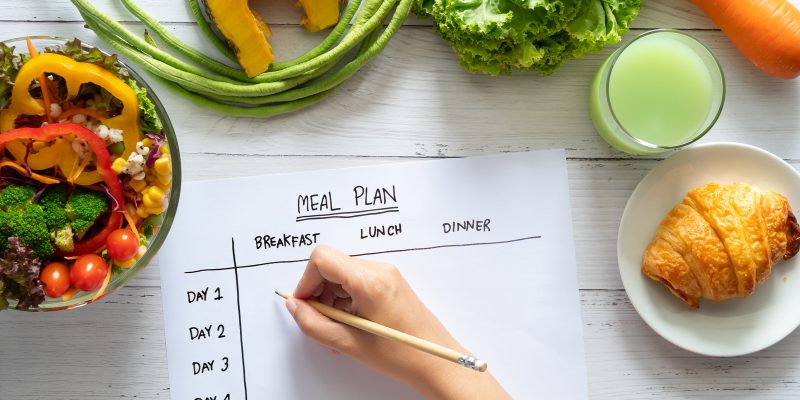
- Listing meals for breakfast, lunch, and dinner
- Rotating ingredients across multiple recipes
- Preparing grocery lists based on planned meals
- Including flexible meal options for busy days
- Adjusting recipes based on seasonal produce availability
Weekly structure improves efficiency and reduces last minute unhealthy choices.
Use the Plate Method for Portion Balance
The plate method is one of the simplest approaches to building balanced meals without complicated measurements.
A typical balanced plate includes:
- Half plate vegetables
- One quarter plate protein
- One quarter plate whole grains
- Small portion of healthy fats
This visual method supports portion awareness and encourages variety.
Include Protein in Every Major Meal
Protein supports muscle repair, immune function, and long lasting energy. Including protein in each meal improves satisfaction and prevents unnecessary snacking.
Common protein sources include:
- Eggs
- Fish
- Poultry
- Beans
- Lentils
- Yogurt
- Tofu
Rotating protein choices adds variety and nutritional value.
Choose Whole Grains Over Refined Carbohydrates
Whole grains provide fiber and essential nutrients that refined carbohydrates often lack. They help maintain steady digestion and energy release.
Healthy whole grain options include:
- Brown rice
- Oats
- Quinoa
- Whole wheat bread
- Barley
Replacing refined grains with whole grains supports better meal balance.
Add a Variety of Vegetables for Nutrient Diversity
Vegetables provide vitamins, minerals, and antioxidants that support overall health. Including multiple colors increases nutritional benefits.
Vegetable planning strategies include:
- Mixing leafy greens with root vegetables
- Rotating seasonal produce weekly
- Including raw and cooked vegetables
- Preparing vegetable snacks in advance
Variety improves both flavor and nutrient intake.
Include Healthy Fats for Energy Support
Healthy fats help support brain function and vitamin absorption. They also improve meal satisfaction.
Examples of healthy fat sources include:
- Avocado
- Olive oil
- Nuts
- Seeds
- Fatty fish
Moderate inclusion of these foods improves meal quality.
Plan Balanced Breakfast Options
Breakfast sets the tone for daily energy levels. Balanced breakfast meals combine protein, fiber, and healthy carbohydrates.
Balanced breakfast ideas include:
- Oatmeal with nuts and fruit
- Eggs with whole grain toast
- Yogurt with seeds and berries
- Smoothies with protein ingredients
Planning breakfast prevents rushed and less nutritious choices.
Prepare Ingredients in Advance for Faster Cooking
Advance preparation improves consistency and reduces time pressure during busy schedules.
Helpful preparation strategies include:
- Washing vegetables ahead of time
- Cooking grains in batches
- Marinating proteins early
- Preparing snack portions in advance
Prepared ingredients make balanced cooking easier.
Rotate Recipes to Maintain Interest and Variety
Repeating the same meals daily can reduce motivation. Recipe rotation keeps meals enjoyable and nutritionally diverse.
Rotation techniques include:
- Changing vegetables weekly
- Alternating protein sources
- Trying new cooking styles regularly
- Including international cuisines occasionally
Variety improves long term meal planning success.
Control Portion Sizes Without Strict Restrictions
Balanced meals depend on appropriate portion sizes rather than eliminating entire food groups.
Portion control techniques include:
- Using smaller serving plates
- Measuring ingredients occasionally
- Avoiding oversized servings
- Eating slowly to recognize fullness signals
Balanced portions support sustainable eating habits.
Include Healthy Snacks Between Meals
Snacks help maintain energy levels between major meals. Choosing nutrient dense snacks prevents overeating later in the day.
Healthy snack ideas include:
- Fresh fruit
- Yogurt
- Nuts
- Whole grain crackers
- Vegetable sticks with dips
Smart snack planning supports overall nutrition balance.
Adjust Recipes Based on Lifestyle Needs
Different schedules require flexible meal planning approaches. Customizing recipes helps maintain consistency.
Lifestyle adjustments may include:
- Quick recipes for busy workdays
- Portable meals for commuting
- Light dinners for late evenings
- Higher energy meals for active individuals
Flexible planning improves long term adherence.
Track Ingredient Availability Before Cooking
Checking ingredient availability before meal preparation prevents interruptions and saves time.
Useful tracking methods include:
- Maintaining pantry lists
- Reviewing refrigerator contents regularly
- Organizing storage containers clearly
- Planning grocery trips efficiently
Preparation improves workflow and meal consistency.
Use Seasonal Ingredients for Better Nutrition
Seasonal ingredients often provide better flavor and nutritional value. They also support cost effective meal planning.
Seasonal planning benefits include:
- Improved freshness
- Enhanced taste
- Better availability
- Lower cost in many cases
Seasonal variety supports balanced nutrition throughout the year.
Balance Cooking Methods for Healthier Meals
Cooking techniques affect nutrient retention and flavor quality.
Healthy cooking methods include:
- Steaming vegetables
- Grilling lean proteins
- Baking instead of deep frying
- Stir cooking with minimal oil
Balanced techniques support better meal quality.
Maintain Hydration as Part of Meal Planning
Hydration supports digestion and energy levels throughout the day. Including beverages as part of planning improves overall wellness.
Healthy hydration options include:
- Water
- Herbal beverages
- Fresh fruit infused drinks
- Low sugar smoothies
Hydration complements balanced meals effectively.
Monitor Meal Timing Throughout the Day
Regular meal timing supports stable metabolism and energy levels.
Meal timing strategies include:
- Eating breakfast within a reasonable time after waking
- Scheduling lunch consistently
- Planning lighter dinners
- Including healthy snacks between meals
Consistent timing supports balanced routines.
Frequently Asked Questions
How far in advance should meals be planned for best results
Planning meals one week ahead usually provides enough structure while allowing flexibility for schedule changes.
Can balanced meals be prepared on a limited budget
Yes. Using seasonal produce, whole grains, and legumes helps create affordable and nutritious meals.
How can beginners start meal planning without feeling overwhelmed
Beginners can start by planning only dinner meals for a few days each week and gradually expand their planning routine.
Are frozen vegetables suitable for balanced meal planning
Yes. Frozen vegetables retain many nutrients and are convenient for quick meal preparation.
Should every meal include all nutrient groups
While major meals benefit from balanced nutrients, snacks can focus on one or two components depending on energy needs.
How can meal planning support weight management goals
Balanced planning helps control portion sizes, reduce processed food intake, and maintain consistent eating patterns.
What role does grocery organization play in recipe planning success
Organized grocery planning ensures ingredient availability and supports efficient meal preparation throughout the week.