 By Kairo Aahron
Singapore’s food culture is world-renowned. Hawker centres, restaurant density, food delivery convenience, and dining as a primary social activity create an environment where eating well and often is a cultural norm.
This creates an interesting paradox: Singapore celebrates food while simultaneously having one of Asia’s highest fitness participation rates.
These aren’t contradictory trends. They’re connected. The same cultural factors that make Singapore a food destination drive demand for fitness gym singapore memberships.
Food as Identity and the Resulting Caloric Reality
For many Singaporeans, food is central to cultural identity and social connection. Business meetings happen over lunch. Family bonds through shared meals. Social status is performed through restaurant choices.
This means food intake is not purely functional. It’s social, cultural, and emotionally significant in ways that make restriction difficult and unsustainable.
The caloric reality of this culture is straightforward: Singapore’s dining culture creates caloric surplus for anyone participating fully in social and cultural food practices.
A typical day might include:
- Breakfast kaya toast and kopi
- Mid-morning snack
- Full hawker lunch
- Afternoon tea or coffee with snacks
- Dinner out with colleagues or family
- Supper if socialising late
This easily exceeds 2,500-3,000 calories, well above maintenance for most office workers.
The Guilt-Free Solution: Earning Food Through Training
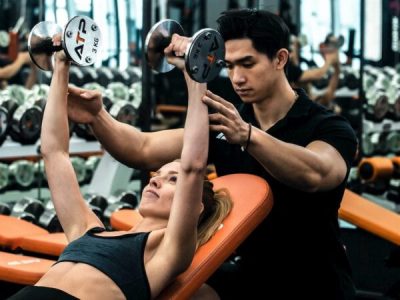
Gym membership provides psychological permission to enjoy Singapore’s food culture without guilt.
If you train hard four times per week, burning 400-600 calories per session, you’ve “earned” those weekend dining experiences. The mental accounting balances.
This isn’t about strict calorie math. It’s about psychological comfort with enjoying food when you’re also investing in fitness.
Many gym-goers in Singapore explicitly frame their training motivation around food: “I train so I can eat what I want without consequences.”
Social Proof and Fitness as Status Signal
In Singapore’s status-conscious culture, fitness has become a visible signal of discipline, success, and self-investment.
Just as dining at premium restaurants signals certain things, so does boutique gym membership and visible fitness commitment.
Social media amplifies this. Posting gym sessions signals different values than posting meals, and many Singaporeans want to signal both: “I enjoy life’s pleasures AND I’m disciplined and health-conscious.”
This dual signalling drives gym participation among demographics motivated by social positioning.
The Metabolic Cost of Singapore’s Food Landscape
Singapore’s cuisine, while delicious, presents specific metabolic challenges:
High carbohydrate density: Rice, noodles, bread, and fried items dominate hawker fare. Easy to overconsume calories without feeling excessively full.
High fat content: Coconut milk curries, fried preparation methods, and rich sauces add hidden calories.
Large portions: Hawker and restaurant portions are generous by global standards.
Frequent eating occasions: Cultural norm of multiple meals and snacks throughout the day.
Without compensatory energy expenditure through exercise, weight gain is almost inevitable for anyone fully participating in Singapore’s food culture.
Gym membership provides that compensatory expenditure.
Corporate Dining Culture Drives Fitness Demand
Singapore’s work culture includes substantial business dining. Client lunches, team dinners, and celebration meals are professional obligations, not optional social events.
Professionals cannot reasonably opt out without social and career costs. But they also cannot sustain weekly business dining without fitness habits to balance the intake.
This drives gym membership among working professionals as a practical career strategy, not just personal health pursuit.
Weekend Food Tourism Within Singapore
Many Singaporeans engage in weekend food tourism, seeking out specific hawker stalls, new restaurant openings, or revisiting favourite eating destinations.
This weekend food focus creates a weekly caloric spike that requires balancing through weekday discipline or increased training volume.
Gyms see heightened weekday attendance partly because members are compensating for weekend indulgence and preparing for the next weekend’s eating plans.
The Rise of Food-Fitness Integration
Premium fitness facilities increasingly integrate food and nutrition guidance that acknowledges Singapore’s dining reality rather than fighting against it.
This includes:
- Nutrition coaching that works around hawker food rather than requiring meal prep and elimination
- Meal timing strategies that allow social dining while maintaining progress
- Carbohydrate cycling approaches that permit higher-carb days for social events
- Body composition tracking that focuses on long-term trends rather than daily fluctuations
This realistic approach to nutrition increases adherence because it doesn’t require social isolation or cultural opt-out.
Food Delivery Apps and the Convenience Trap
Singapore’s food delivery infrastructure makes eating restaurant and hawker food at home incredibly convenient.
This eliminates the effort barrier that used to limit excessive eating. Previously, if you wanted zi char or Thai food, you had to go out. Now it’s literally five taps on your phone.
This convenience has increased average daily food intake for many Singaporeans, creating additional need for structured exercise to maintain energy balance.
The Premium Gym as Lifestyle Package
For affluent Singaporeans, premium gym membership fits into a lifestyle package that includes:
- Regular dining at quality restaurants
- International travel
- Premium residential locations
- Health and wellness investment
The gym isn’t compensation for food excess. It’s part of an integrated approach to living well that includes both indulgence and discipline.
TFX Singapore members commonly describe their fitness routine as enabling their lifestyle rather than restricting it, allowing them to participate fully in Singapore’s food culture while maintaining health and body composition goals.
FAQs
Q: Can someone maintain fitness goals while regularly eating hawker food?
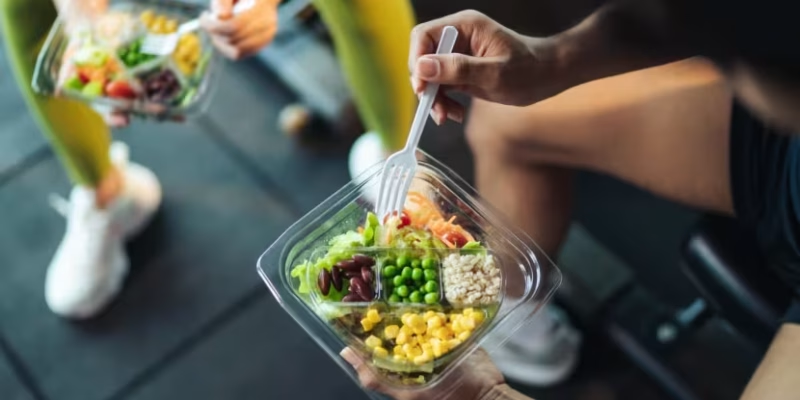
Yes, absolutely. The key is portion awareness, choosing protein-forward options when possible, and balancing higher-calorie meals with appropriate training volume.
Many fit Singaporeans eat hawker food multiple times per week. It’s about overall energy balance, not avoiding specific foods.
Q: Do Singapore gyms see attendance spikes after major food festivals or holidays?
Yes, predictable attendance increases occur after Hari Raya, Chinese New Year, and December holidays when eating occasions multiply.
Gym operators design challenges and promotions around these post-holiday periods to capitalise on increased motivation.
Q: How many gym sessions per week are needed to balance Singapore’s typical dining patterns?
This varies based on portion sizes and individual metabolism, but 3-4 sessions of moderate to high-intensity training generally allows most people to maintain weight while participating normally in social dining.
More sessions or higher intensity may be needed for fat loss while maintaining current eating patterns.
Q: Are Singaporeans more likely to join gyms than other Asian populations because of food culture?
Partially, yes. Singapore has higher gym membership rates than most Asian cities of comparable size.
Food culture is one factor among many, including income levels, government health promotion, and cultural emphasis on appearance and status.