 By Kairo Aahron
Event management is a complex process that requires coordination across multiple teams, timelines, and expectations. Among all contributors, catering staff play a central role in shaping the guest experience. From planning menus to delivering seamless food service, their responsibilities go far beyond preparing meals. They influence event flow, guest satisfaction, safety standards, and overall event success.
Whether the event is a corporate gathering, wedding reception, conference, or private celebration, catering teams serve as both logistical partners and hospitality ambassadors. Their performance directly affects how guests perceive the event.
Understanding the Importance of Catering Staff in Events
Catering staff are responsible for creating a smooth dining experience while supporting event structure and timing. They manage food preparation, presentation, coordination with planners, and service execution. Their work ensures that guests feel welcomed and cared for throughout the event.
Their responsibilities typically include:
- Preparing and presenting food professionally
- Managing beverage service
- Supporting event timelines
- Maintaining hygiene standards
- Coordinating with organizers and vendors
- Ensuring guest comfort during meals
Without an efficient catering team, even a well-designed event can lose its impact.
Supporting Event Planning from the Beginning
Catering staff often become involved early in the event planning process. Their input helps shape realistic timelines, menu feasibility, service logistics, and equipment needs.
During the planning stage, catering professionals assist with:
- Estimating food quantities based on guest count
- Recommending menu styles suited to event themes
- Identifying service formats such as plated meals or buffets
- Planning kitchen setup requirements
- Coordinating delivery schedules
This early collaboration reduces last-minute challenges and improves operational efficiency.
Menu Planning and Customization
Menu selection is one of the most visible aspects of any event. Catering staff contribute valuable expertise by designing menus that balance taste, presentation, budget, and guest preferences.
Their role in menu planning includes:
- Suggesting seasonal ingredients for freshness
- Accommodating dietary restrictions
- Ensuring balanced course sequencing
- Matching menus with event themes
- Planning portion sizes carefully
Professional catering teams understand how menu choices affect service speed and guest satisfaction.
Managing Food Preparation Efficiently
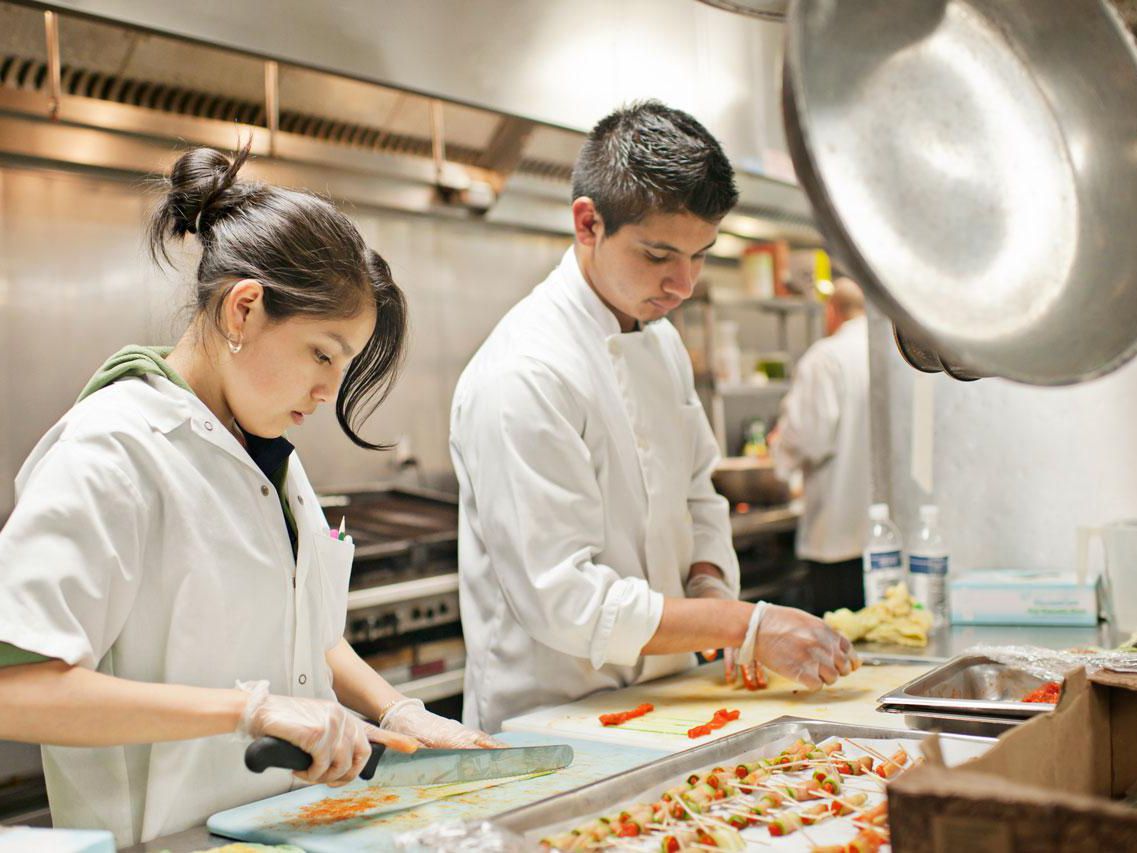
Food preparation for events requires coordination, timing, and attention to detail. Catering staff ensure that dishes are prepared consistently and delivered at the right temperature.
Key preparation responsibilities include:
- Organizing ingredient procurement
- Scheduling cooking timelines
- Supervising kitchen workflows
- Maintaining recipe consistency
- Ensuring safe food handling practices
Efficient preparation prevents delays and preserves food quality throughout service.
Maintaining Food Safety and Hygiene Standards
Food safety is one of the most critical responsibilities of catering staff. Events often involve large guest numbers, making hygiene control essential.
Catering teams follow strict procedures such as:
- Proper storage of raw ingredients
- Maintaining safe cooking temperatures
- Preventing cross contamination
- Sanitizing preparation surfaces
- Monitoring expiration dates
These practices protect both guests and event organizers from potential risks.
Coordinating Service Flow During Events
Event timing depends heavily on how efficiently catering staff manage food service. They coordinate closely with planners to maintain smooth transitions between program segments.
Their coordination responsibilities include:
- Synchronizing meal service with speeches and presentations
- Managing course timing
- Adjusting service pace based on event progress
- Supporting stage schedule flexibility
Well coordinated service enhances the overall rhythm of the event.
Creating a Positive Guest Experience
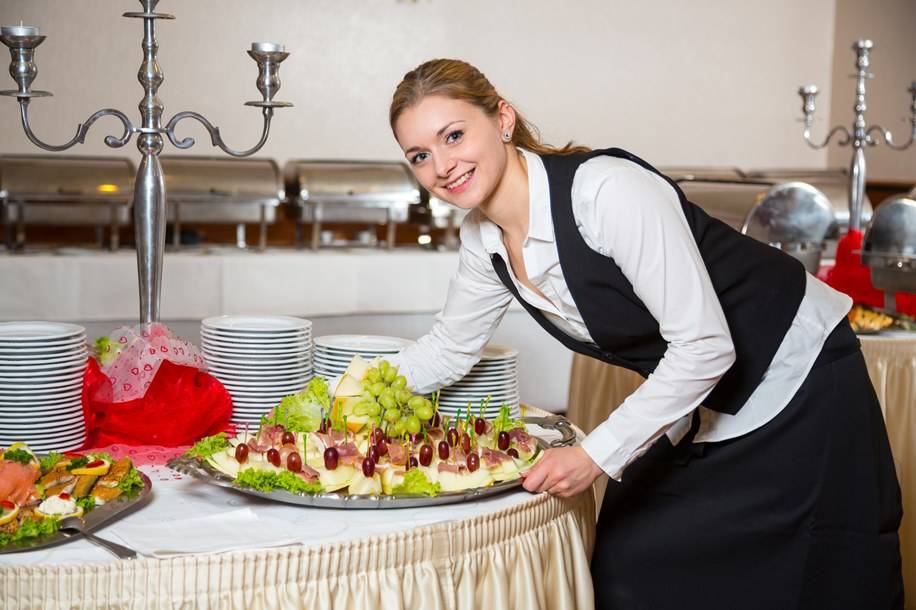
Guests often interact more with catering staff than with any other event team. Their behavior influences how attendees perceive hospitality quality.
Professional catering staff contribute to guest satisfaction by:
- Greeting guests politely
- Responding quickly to requests
- Serving food efficiently
- Maintaining a professional appearance
- Handling unexpected concerns calmly
Strong interpersonal skills are just as important as technical service ability.
Supporting Different Types of Service Styles
Catering staff adapt their approach depending on the chosen service format. Each style requires specific planning and execution methods.
Common service formats include:
Plated service
- Meals served individually at tables
- Requires precise coordination
- Ideal for formal events
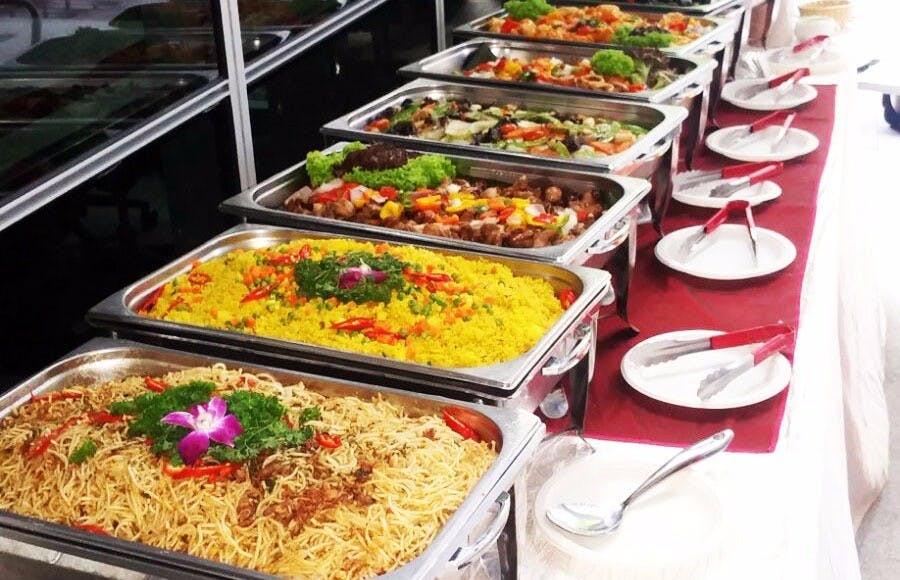
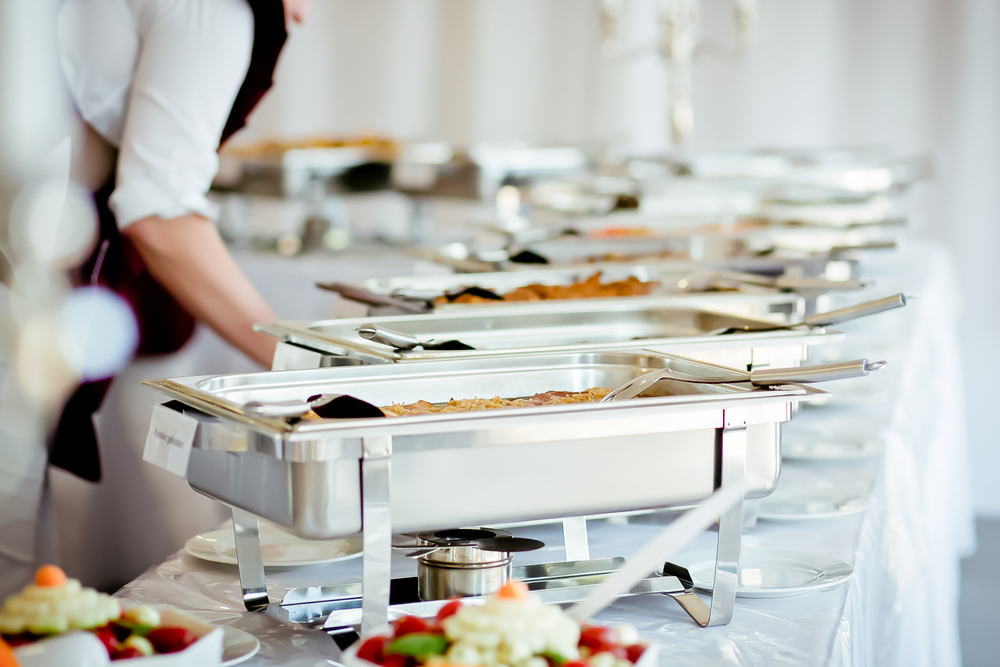
Buffet service
- Guests serve themselves
- Allows menu variety
- Suitable for larger gatherings
Family style service
- Shared dishes placed at tables
- Encourages interaction
- Popular for social celebrations
Food stations
- Interactive serving points
- Adds visual interest
- Enhances guest engagement
Catering staff ensure that each service style operates smoothly.
Managing Equipment and Logistics
Successful catering depends on reliable equipment and organized logistics. Catering staff handle transportation, setup, and breakdown tasks that support service delivery.
Their logistical duties include:
- Transporting food safely to venues
- Setting up serving stations
- Arranging dining layouts
- Managing kitchen equipment onsite
- Clearing service areas efficiently
These responsibilities contribute to a professional event environment.
Handling Special Dietary Requirements
Modern events often include guests with dietary restrictions. Catering staff play a key role in ensuring safe and inclusive dining experiences.
They manage requirements such as:
- Vegetarian preferences
- Vegan meals
- Gluten free options
- Allergy sensitive dishes
- Low sodium alternatives
Clear labeling and careful preparation prevent confusion and ensure safety.
Supporting Event Branding and Theme Presentation
Food presentation contributes significantly to the visual identity of an event. Catering staff help reinforce themes through styling and display techniques.
They support branding efforts by:
- Matching table settings with event colors
- Designing decorative food displays
- Coordinating serving uniforms with event style
- Aligning presentation with cultural expectations
Attention to detail enhances event atmosphere.
Managing Time Sensitive Service Responsibilities
Timing affects every aspect of event catering. Staff must coordinate preparation, service, and cleanup within strict schedules.
Time management tasks include:
- Preparing courses in sequence
- Delivering meals at scheduled intervals
- Managing beverage refills efficiently
- Clearing tables promptly without disruption
Precise timing helps maintain event structure.
Working Closely with Other Event Professionals
Catering staff collaborate with multiple teams during events. Effective communication ensures smooth coordination across departments.
They frequently work alongside:
- Event planners
- decorators
- venue managers
- audio visual technicians
- photographers
Team cooperation supports overall event success.
Managing Emergency Situations During Events
Unexpected challenges can arise during any event. Catering staff must remain prepared to respond quickly and professionally.
Common situations they handle include:
- Food shortages
- equipment malfunctions
- service delays
- guest complaints
- last minute menu changes
Quick problem solving protects the guest experience.
Supporting Post Event Cleanup and Breakdown
After service ends, catering staff continue working to restore the venue efficiently. Cleanup ensures the event concludes professionally.
Their responsibilities include:
- Clearing tables
- packing unused supplies
- removing equipment
- managing waste disposal
- coordinating with venue staff
Proper breakdown maintains strong relationships with venues and organizers.
Contributing to Overall Event Success
Catering staff influence nearly every stage of event execution. Their technical skills, hospitality approach, and coordination ability shape how guests remember the occasion.
Their contributions extend across:
- planning
- preparation
- presentation
- service
- safety
- cleanup
When catering teams perform effectively, they help transform events into memorable experiences.
Frequently Asked Questions
What qualifications are typically required for catering staff in event management
Most catering staff receive hospitality training or gain experience through hotel service, restaurant work, or event support roles. Senior staff often hold certifications in food safety management.
How early should catering staff arrive before an event begins
Arrival time depends on event size, but teams usually arrive several hours in advance to complete setup, kitchen preparation, and coordination tasks.
Do catering staff assist with event seating arrangements
In many events, catering teams help align table layouts with service needs to ensure smooth meal delivery and efficient guest movement.
How do catering teams estimate food quantities for large events
They calculate portions based on guest count, event duration, menu complexity, and expected consumption patterns.
Are catering staff responsible for beverage service as well as food service
Yes. Many catering teams manage both food and beverage service unless a separate beverage vendor is hired.
How do catering staff maintain professionalism during high pressure events
They follow structured workflows, communicate clearly with team members, and rely on prior training to manage service efficiently.
Can catering staff support outdoor event arrangements
Yes. They often handle mobile kitchen setups, weather related adjustments, and portable serving solutions for outdoor venues.