 By Kairo Aahron
Bakery products are loved for their fresh aroma, soft texture, and rich flavor. However, they are also among the most perishable food items. Without artificial preservatives, breads, cakes, cookies, and pastries can lose freshness quickly due to moisture loss, microbial growth, and oxidation. Fortunately, several natural preservation techniques can significantly extend shelf life while maintaining quality and safety.
This article explores practical, science-backed methods that bakers, home cooks, and small-scale bakery owners can use to extend the shelf life of bakery products naturally without compromising taste or nutrition.
Why Bakery Products Spoil Quickly
Bakery items contain ingredients such as flour, sugar, dairy, and eggs, which create an ideal environment for spoilage microorganisms. The most common causes of deterioration include:
- Mold growth due to moisture
- Staling caused by starch retrogradation
- Fat oxidation leading to rancidity
- Contamination during handling and storage
- Temperature fluctuations
Understanding these factors helps identify the most effective natural preservation strategies.
Natural Ingredients That Extend Shelf Life
Using natural preservatives is one of the safest and most effective ways to extend shelf life. These ingredients help slow microbial growth and preserve freshness without synthetic additives.
Sourdough Fermentation
Sourdough is one of the oldest natural preservation techniques. The fermentation process produces organic acids that:
- Lower pH levels
- Inhibit mold growth
- Improve texture stability
- Extend freshness naturally
Sourdough breads typically stay fresh longer than commercial yeast breads.
Honey
Honey acts as a natural humectant and antimicrobial agent. It helps:
- Retain moisture
- Prevent bacterial growth
- Enhance flavor naturally
Adding small amounts of honey to cakes and breads improves shelf life without affecting structure.
Vinegar
A small quantity of vinegar in dough slows mold growth significantly. It works by adjusting acidity levels, creating conditions that microorganisms find difficult to survive in.
Lemon Juice
Lemon juice offers natural antimicrobial benefits and improves flavor brightness in baked goods. It is especially useful in cakes, muffins, and quick breads.
Control Moisture for Longer Freshness
Moisture balance plays a critical role in preserving bakery products. Too little moisture causes staling, while excess moisture encourages mold growth.
Effective moisture control techniques include:
- Using ingredients like yogurt or applesauce for moisture retention
- Avoiding overbaking
- Cooling products completely before storage
- Selecting breathable packaging when necessary
Maintaining the right moisture level keeps bakery items soft and safe for longer periods.
Use Natural Enzymes to Delay Staling
Natural enzymes improve crumb softness and extend freshness without chemicals.
Common enzyme-rich ingredients include:
- Malted flour
- Honey
- Fermented starters
These ingredients help slow starch crystallization, which is the main reason bread becomes stale.
Improve Shelf Life with Proper Packaging Techniques
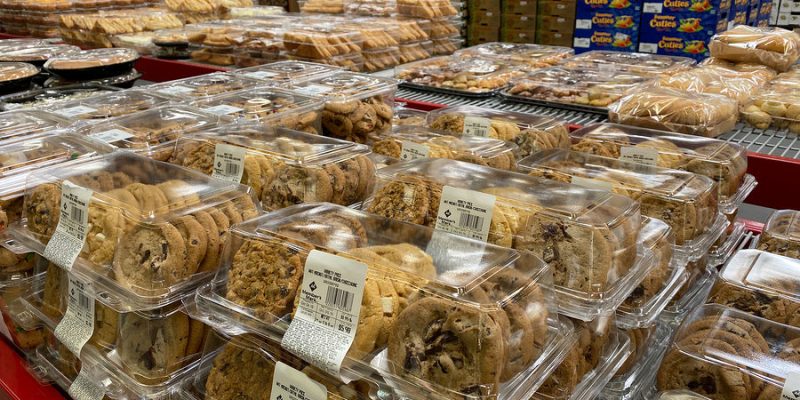
Packaging plays a major role in protecting bakery products from contamination and moisture loss.
Use Airtight Containers
Airtight containers help:
- Prevent exposure to oxygen
- Reduce microbial contamination
- Maintain moisture levels
Glass or BPA-free plastic containers work well for cookies, cakes, and muffins.
Choose Breathable Wrapping for Bread
Bread benefits from breathable packaging such as:
- Cotton bread bags
- Paper wrapping
- Linen cloth storage
These materials reduce condensation while maintaining freshness.
Vacuum Sealing
Vacuum sealing removes oxygen, which slows spoilage significantly. It is particularly effective for:
- Artisan breads
- Cookies
- Pastries intended for longer storage
Store Bakery Products at the Right Temperature
Temperature control directly affects shelf life.
General storage recommendations include:
- Room temperature for most breads and cookies
- Refrigeration for cream-filled pastries
- Freezing for long-term preservation
Avoid storing bread in the refrigerator unless necessary, as refrigeration accelerates staling.
Natural Antioxidants That Prevent Rancidity
Fat-containing bakery products such as cakes and pastries can become rancid over time. Natural antioxidants help slow this process.
Examples include:
- Rosemary extract
- Vitamin E-rich oils
- Citrus peel extracts
These ingredients protect fats from oxidation and maintain flavor quality.
Extend Shelf Life with Smart Ingredient Selection
Ingredient quality strongly influences freshness duration.
Better shelf-life choices include:
- Whole grain flour with proper storage
- Fresh dairy ingredients
- High-quality fats such as butter or coconut oil
Using stable ingredients improves structural integrity and delays spoilage.
Control pH Levels Naturally
Lowering pH naturally inhibits microbial growth.
Ways to adjust pH include:
- Adding sourdough starter
- Using yogurt or buttermilk
- Incorporating citrus juice
- Including vinegar in small amounts
Acidified dough environments resist mold formation effectively.
Maintain Clean Baking Practices
Even natural preservation methods fail without proper hygiene.
Important sanitation steps include:
- Washing hands before handling baked goods
- Using sterilized utensils
- Cleaning storage containers regularly
- Avoiding cross-contamination during cooling
Clean handling reduces microbial exposure significantly.
Freeze Bakery Products for Long-Term Storage
Freezing is one of the most effective natural preservation techniques available.
Best freezing practices include:
- Wrapping products tightly before freezing
- Freezing immediately after cooling
- Labeling storage dates clearly
- Thawing at room temperature for best texture recovery
Frozen bakery items can stay fresh for weeks or even months.
Modify Baking Techniques to Improve Shelf Stability
Certain baking adjustments naturally extend product life.
Examples include:
- Slightly increasing hydration levels in bread
- Using preferments such as poolish or biga
- Incorporating natural fats like butter or olive oil
- Avoiding excessive sugar reduction
These adjustments strengthen crumb structure and retain softness longer.
Use Natural Glazes and Coatings
Surface coatings help protect bakery products from moisture loss and microbial contamination.
Effective natural coatings include:
- Egg wash
- Honey glaze
- Butter brushing
- Light sugar syrup
These create a protective barrier while improving visual appeal.
Choose the Right Storage Environment
Environmental conditions greatly influence shelf life.
Ideal storage conditions include:
- Cool room temperature
- Low humidity
- Clean storage shelves
- Protection from direct sunlight
Controlling the environment helps maintain freshness naturally.
Label Products for Freshness Monitoring
Even when using natural preservation methods, monitoring freshness remains important.
Best practices include:
- Recording baking dates
- Rotating stock regularly
- Checking texture and aroma before serving
These steps help ensure quality consistency and food safety.
Frequently Asked Questions
How long do bakery products last without preservatives
Most bakery items last between two and five days at room temperature depending on moisture content and storage method. Naturally fermented products typically last longer.
Does sourdough really increase shelf life
Yes. The organic acids produced during sourdough fermentation slow mold growth and delay staling significantly.
Can natural preservatives replace artificial ones completely
In many cases they can. However, shelf life may still be shorter than products containing synthetic preservatives, especially in commercial-scale distribution.
Is refrigeration good for storing bread
Refrigeration slows mold growth but accelerates staling. Freezing is usually a better option for long-term storage.
What is the best natural ingredient to prevent mold
Vinegar and sourdough starter are among the most effective natural mold inhibitors in bakery products.
Do airtight containers help extend freshness
Yes. Airtight containers reduce oxygen exposure and moisture loss, which helps maintain texture and flavor longer.
Can freezing affect the texture of baked goods
If wrapped properly and thawed correctly, most baked goods retain their original texture very well after freezing.